Scheduling Tools Like Google Calendar And The Reminders App Are No Longer Able To Compete With The Power Of Ai
For years, people have relied on traditional calendar apps and planners to organize their schedules, manually inputting reminders and times for meeting and appointments. These tools, though useful, come with the constraint of requiring their users to stay on top of inputting all deadlines and obligations.
Over time, this can become an added obligation in itself. Instead of helping manage your schedule and relieving stress, these apps begin to feel like just another task on an already overburdened to do list. For individuals who must balance school, work, and personal upkeep, one day of forgetting to update the calendar can leave them feeling like they are going to forever be playing catch up. This can lead to missed deadlines and more unnecessary stress.
This highlights the shortcomings of traditional scheduling tools. Their reliance on user input and discipline rather than automation means they lack in true assistance. With the modern person having greater and varied responsibilities than ever before, people need more effective solutions that reduce effort rather than add to it.
Artificial intelligence offers a solution to this problem. Combining its strengths with natural language processing means that AI powered scheduling assistants can automatically analyze emails, messages and phone calls can detect important dates and add it to the users calendar all automatically. By automating organization, the burden of constant schedule upkeep and management is a thing of the past. As this technology continues to develop, traditional apps are becoming less effective than their new age counterparts.
This future of scheduling is one integrated with automation. Staying organized no longer depends on the user to stay on top of maintenance, freeing up time for people to work on what matters.
How AI is Transforming Time Management and Routine of Students and Professionals Alike
Staying Organized has become more and more difficult for many individuals in the academic and professional world in recent years. Juggling responsibilities like school, work, and professional responsibilities proves daunting at times. In many high earning professions, individuals address this challenge by hiring personal assistants or secretaries to manage their meetings, track deadlines, and keep them on schedule throughout the day. Unfortunately for most people, this simply isn’t an option.
Instead, most individuals must rely on manually inputting their tasks and appointments into outdated calendar and reminder apps. While these tools can be helpful, they require constant attention and effort to keep up to date. And as responsibilities pile up, it becomes easier and easier to forget to update schedules or input important deadlines. This leads to the creation of an even wider gap between those who can afford assistance and those who cannot.
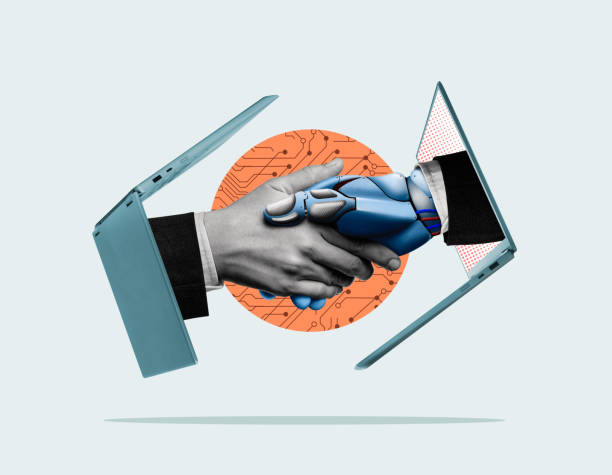
Artificial intelligence is starting to close that gap by automating organization. AI powered assistants can analyze your emails, texts, and calls to record and document important dates. Automatically updating you schedule and setting reminders to ensure you never miss a deadline and have ample time to get you to all appointments and obligations.
For students and professionals, this shift represents a major lead forward in productivity. Instead of spending time managing schedules, users can focus on getting their work done so they can spend more time doing what they love. AI is also able to adapt as time goes on, learning when their user is most productive and scheduling tasks accordingly.
As artificial intelligence continues to develope, these AI powered sheduling tools have the potential to replace traditional calendar systems entirely, helping to make organization automatic and accessible. These tools are leveling the playing field giving everyone the opportunity to stay on task without having to pay a large sum of money.